Featured

Excitement 1: Constituents of Wastewater

Subject: ”A drop of water is worth more than a pouch of gold to a thirsty man”

Introduction

Being diving into the specifics, we should explain, ”what is wastewater engineering’? Wastewater engineering is a specialization from degrees such as civil, environmental, chemical, bio-chemical engineering. This specialization mainly deals with the issue of transporting and cleaning all types of water including black water (waste water & sewer water), grey water (cleaner water from bathroom, sinks, kitchen, washing machine and other tools) & irrigation water.

Most people understand that wastewater is an important topic or at least acknowledge that it has some relevance to engineering but for most part we tend to ignore it or put little thought to it but the reality is that it is a crucial part of engineering more than we actually thought.

Wastewater is important to our lives because water is the essence to all life on earth and living in Australia it has high importance especially when our precious water resources are becoming scarce due to many issues associated with our excessive use of water and climate change. For this reason the skills within this field have been mainly developed to provide us clean drinking water, properly treating wastewater and removal of dirty water. There is much more to explain the topic of wastewater engineering and its applications but this is pretty much the gist of what we should understand.
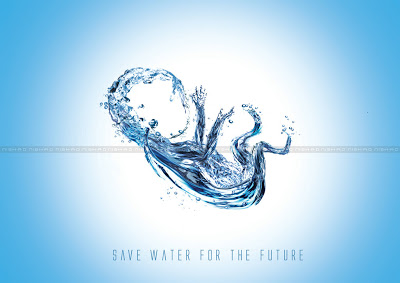
Image result for water is life

Discussion

So the next question we ask ourselves what does wastewater compose of? The constituent of wastewater includes suspended solids, biodegradable organics, pathogens, nutrients, heavy metals and dissolved inorganic substances. Wastewater is 99.7% water and the rest are its constituents which make up a very small percentage.

If left untreated suspended solids may lead to developments of sludge deposits and anaerobic conditions when released in the aquatic environment. Biodegradable organics is mainly made of carbs, fats, proteins and the issue of releasing it into the environment untreated will lead to depletion of oxygen resources and even worse it can cause the development of septic conditions. Pathogenic organisms that may be in the wastewater may transmit infectious diseases. Nutrients such as nitrogen, phosphorous and carbon are also found in wastewater and when discharged into an aquatic environment it lead to growth of undesirable aquatic life and when discharged onto land in high quantities it leads to groundwater pollution. Heavy metals found in wastewater is mainly caused by dumping of metals from commercial and industrial companies in which is needs to be completely removed in order to recycle the wastewater. A better solution for heavy metals is that these companies do not even dump their garbage in the water. Dissolve inorganic such as sodium, calcium and sulfates which are added to water mainly due to use of household products which needs to be removed in order to recycle the wastewater.

For most part, just about all the constituents of wastewater is toxic and needs to be treated if we are to make it into safe drinking water. Heavy metals should not be dumped in the water at all costs in the first place and the issue is that a lot of the dumping is unregulated by the government (perhaps they may be involved in it in the first place) so tight laws needs to be in place with hefty fines for companies that breach the regulations. Other toxic constituents in the wastewater must be heavily treated so that it leaves zero chance to create any health issues (priority!) and minimized environmental impact.

There are 3 main stages to treating water  which are the primary, secondary and tertiary treatment. In the first stage all heavy solids are removed. The second stage removes dissolved and biological matter. The third stage removes any extra stuff which the first two stages could not remove and this process may be repeated multiple times with different methods such as disinfection. The final treatment may also vary depending on the site of discharge. The treated water is referred to as effluent which is the final product that is safe enough to eject it back into the aquatic environment which little to no harm to the existing ecosystem and environment. Depending on how clean the water it may be discharged in the stream, river, bay, groundwater, irrigation or any other agricultural uses.

Major challenges faced by wastewater operation plants are energy consumption, energy, sludge production and cost of running the facility. Wastewater plant are one the highest energy consuming facilities in any country. This is a job that is very demanding of staff that requires them to be on call at any time of the day which varies at different times during the year not to mention trying to recruit and adequately train workers for this job is a huge issue. The proposed solution to this is to have more automation to replace high workers and saving huge money on salaries. Sludge production are the leftover after treating wastewater and it becomes a huge burden in disposing it.The best solution is to recycle and reuse and useful organic matter and nutrients. Increasing population only means that costs of running the facility increases too as treatment is the primary and secondary stages requires huge areas of land and expansion of facility is needed to meet the demands of an ever increasing population.

Image result for stages in wastewater treatment

Conclusion 

Water is a precious resource as we waste it in abundance with little care. We’ve gone to the point to even recycling used water due to its scarcity and sad enough there are people today who have no clue about this. The environment is also polluted by organisations/companies dumping their garbage in rivers with little care. Our homes are not restricted to our houses but the land that our houses are in. We should have government funded schemes to educate the population and the rising youth on importance of wastewater engineering and how we can all play a role in helping the environment.

Vlog link: https://www.youtube.com/watch?v=TkgNiz6FIDw

Are You With Us OR Against Us: Education for everyone

There are many activities, documentaries and social campaigns set out on educating the masses on environmental related issues. Most of them are effective but they do not directly address the topic on wastewater because for most part the population tend to be unaware of most problems nationally and globally. These campaigns do make viewers rethink their practices and how it damages the environment, so this is a good start to making progress. However, we are very much lacking the educational programs pertaining to wastewater treatments. Even when we flick through the TV channels, how often do we come across the topic of wastewater treatments? As far as I can recall not even once! Nonetheless there are wastewater expo events running throughout Australia which are free to attend, and few educational programs set out there to educate especially the younger viewers.

Waste Expo Australia presents Wastewater Summit a free-to-attend seminar program. This educational component is led by the industry’s experts, giving industry professionals the opportunity to share knowledge on a range of topics including innovation, technology, regulation and new industry developments. The purpose of this seminar is to confront the challenges and opportunities in wastewater treatment through technology, strategy and compliance. Wastewater Summit hosts three distinct focus areas with the first being technology: seizing opportunities in wastewater technology and innovation, with the second being strategy:creating new revenue streams through wastewater to energy and developing cost effective strategies. Last but not the least it deals with compliance: navigating the regulatory framework to understand impacts to your organisation

Image result for wastewater summit agenda

A notable example is the ‘’World Toilet Day’’ campaign on 19th November 2016 which is an opportunity to teach young and old Australians. World Toilet Day is an official United Nations international observance day on 19 November to inspire action to tackle the global sanitation crisis. Four and a half billion people worldwide live without proper sanitation. World Toilet Day was established by the World Toilet Organization in 2001. The programs teaches the different type of waste that goes in the kitchen sink, rubbish bins and down the toilet drain. It also teaches students that waste does not magically disappear and the effect it can have on our beautiful beaches, rivers (swan river for example) and our environmental as well.

Image result for world toilet day

Social media, marketing and innovation has a direct positive effect on wastewater education whether directly or indirectly. These strategies of spreading the message makes an average consumer much more aware of how their actions affect the world we live in. Not only do the two mentioned organisation help raise awareness, they are also involved in the building, funding and supplying resources in order to achieve their goals. For example the organisation World Toilet Day, they have a set target of goals for every upcoming year. There should be no one single strategy to follow to inspire change in people rather we should utilize every method in the book to spread the message. There are many initiatives that promote this but they are not so well know given that they are not given enough media coverage and the fact is that most of us simply do not care about such issues.

As helpful as it is having such programs, we need a more effective method of preaching wastewater practices and my first recommendation is through popular TV channels and many electronic posters around especially in cities where population is quite dense. Electronic posters keep people more interested and updated with ease and this has zero consequence on resource to spread awareness. This is also where the government comes into the picture since they control the media to quite a large extent as well as influence on large companies and organisations. The government needs to make changes in law towards sustainable practices. We need the key big players to make an effort to sustainable practices because that’s where we can see the greatest changes. Sure, individually we can help but there’s only so much we can do.

I’m willing to bet that majority of people today don’t even know that toilet can be recycled into drinking water and imagine their surprise when they find out about this. In such a modern world that we live in today, people are still quite behind on general knowledge. So who is at fault for their lack of education? I do not like to point fingers as we are all partially guilty but the main blame goes back to the government. They control the news media but yet decide to show us news that a lot of the times are of no benefit to the society and at times counter productive. This is the perfect opportunity to use the popular channels to run shows on wastewater treatment, recycling and transportation to give the average consumer a basic understanding of the dire situation we live in. The whole world lives on social media and TV so we should exploit this tactic to educate.


Importance of Regulatory Frameworks

Regulatory frameworks and wastewater engineering both go hand in hand. In our context regulatory frameworks refer to sets of policies that set up by the Australian government whereby the local government must comply with in the wastewater management. The Australian government is involved in the national legislation, strategies and policy frameworks for waste. The local government on the other hand are responsible for the provision of household waste collection, recycling, managing landfill sites and maintaining the wastewater infrastructure. The government policies can be briefly summarised as ”less waste, more resources”. The Australian government has had a long history of collaboration  on waste policies and actions.

When reading the environmental protection act, rights in water and irrigation act & metropolitan water supply, sewerage and drainage act pretty much deals with how wastewater should be taken care of, monitored and penalties for not following the guidelines. No matter how detailed the framework of policies and regulations, the real issue we deal with is policing the laws that are set and dealing with loopholes in the regulations which allow large businesses, industries and corporations to exploit them. There is no point in having countless list of policies regarding wastewater if rules are not applied and punished accordingly or perhaps it may be a combined effect of poor policing and weak policies that can to lead to such disasters.

There are many environmental mess-ups which are have little mention in the media and on top of that the government tries to keep the story on a low profile. A perfect example of this is the swan river in the state of WA. I remember as early as 2003 when I first arrived to Australia the swan river struck a permanent image in my mind as a sparking blue clean river with even dolphins swimming in the river. Now in 2018 when I see this river, it looks so sick and dirty. Major renovations and construction of Elizabeth Quay is nothing more than a mere distraction to a gruesome situation which the government has made little mention of. Experts mention that the swan river and its marine life is choking. It is so bad that it has reached to the point that artificial oxygen is being pumped into the river to prevent it the ”ecological equivalent of a cardiac arrest”. When researching more upon this issue you will find that the root problem is due to high volumes of pollution entering the river. Thousands of tonnes of rich fertilisers that run-off from farms in the Swan and Avon River catchments are the main cause of this disaster. These nutrients once they dissolved in the river, it feeds algal blooms which takes oxygen away from the marine life killing fishes and shockingly forms a toxic sludge behind. I personally witnessed the sludge on a rainy day near Henry Reveley bar in Elizabeth Quay. During and after the rain the water was brown in colour with bits and pieces of sludge across the river.

General shot water at Elizabeth Quay. April 14, 2016.
Fecal bacteria found in Elizabeth Quay as triathlon swim cancelled. http://www.abc.net.au/news/2016-04-14/elizabeth-quay-triathlon-cancelled-swim-water-quality/7304350

I sincerely recommend readers to read these links to fully grasp the seriousness of the situation. https://www.perthnow.com.au/news/wa/experts-say-perths-swan-river-and-its-marine-life-are-choking-to-death-ng-e454f6cd0118b17a2f9c3e6e0bcc27c2 & https://www.smh.com.au/opinion/the-swan-river-a-river-on-life-support-20131004-2uyry.html

The Barnett Government is responsible for this disaster and the WA environment minister abolished the swan river trust which is a body responsible for the monitoring and reporting the health condition of this river. The local government is trying their very best to hide themselves from public scrutiny and their majorly failed environmental policies. Restoration of the river itself will cost billions of dollar since the swan river is not far away from being considered a wastewater river if this keeps up. The swan river not only highlights failed regulatory and policy framework but also a poor social framework as well. The only reason I noticed of this problem is because I live close to the swan river and seeing this river dying really affects me and many others in the region that live near or those that pass by that river.

Dead fish in the Swan River
Low oxygen levels have killed 5000 fishes in the swan river

Should a trust of bodies come together to tackle this situation, we can expect better wastewater engineering practices specially in the technological advancement and improved methods to help reverse this snowball of disasters. We require stricter policies because stricter policies forces improved wastewater engineering to adapt to tougher regulations and stricter policies. Also new laws need to put in place to educate the population and raise awareness of the environment we live in. It is such a crucial aspect of this framework because public awareness of government disasters keeps politicians in check so that they do not destroy precious marine life out of their recklessness and avoidable mistakes.